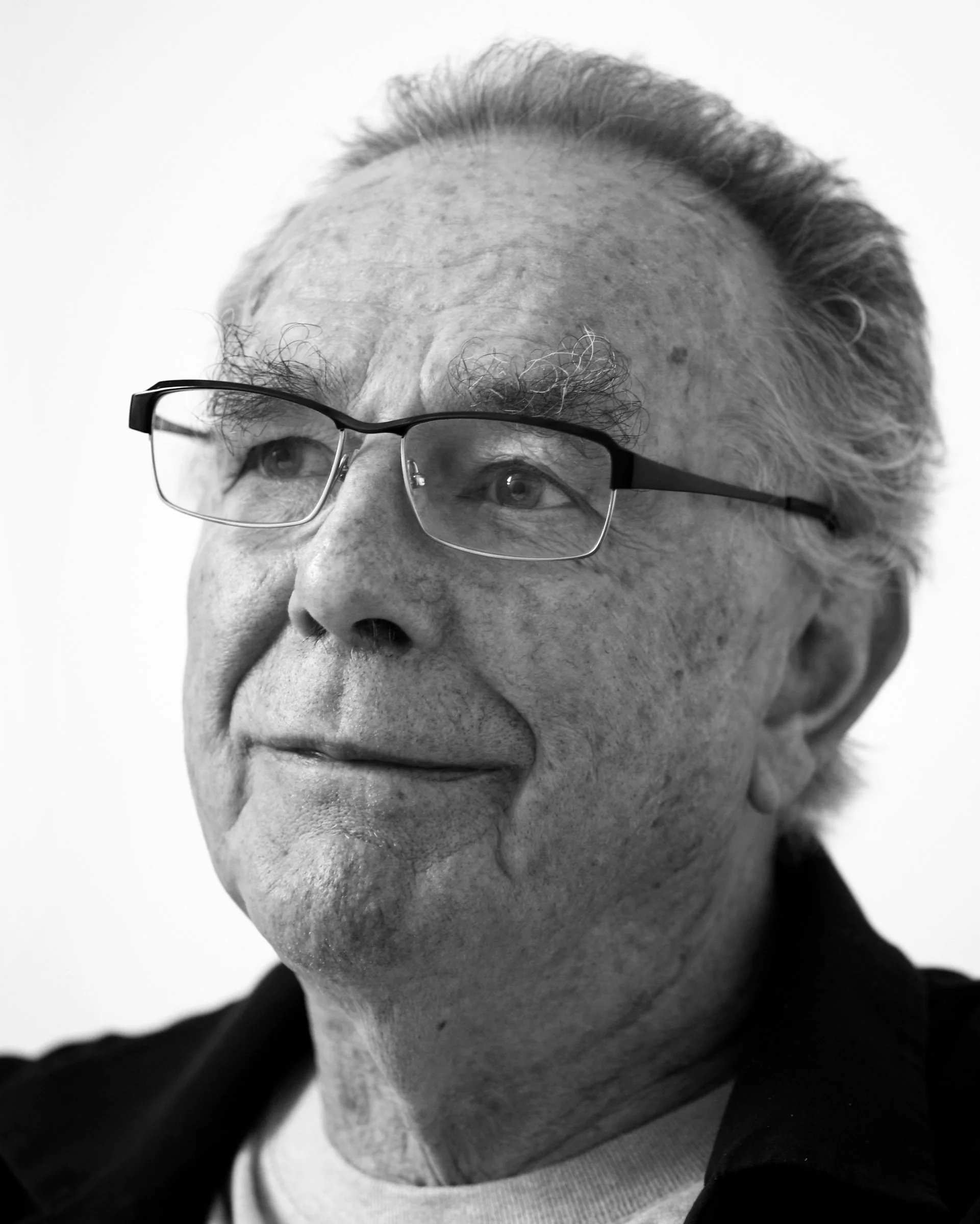
A day on Hiva Oa
Fragments of white coral lie out on the black volcanic sand like tissue from the sea’s brain. They are not soft, however, but hard, like bones. Someone made a heart out of them and wrote the word ‘Tahiti’ inside. We are not in Tahiti any more, we are on Hiva Oa, riding a Toyota along the spine of the land. Our guide is Heiana, she drives fast, with one hand on the wheel and the other working her mobile phone. The road is narrow and steep, with blind corners and hairpin bends and sheer cliffs falling hundreds of metres to the blue ocean below. Goats dislodge stones that rain down from above. Don’t worry, she says, I used to go skateboarding here. Heiana is from Huahine, she met her Marquesan boyfriend while working on the cruise ship Paul Gauguin and moved to Atuona to live with him. She is tall and rangy, barefoot, tattooed, with a white streak in her hair. She points to an island, Fatu Huku, offshore, and says it was turned upside down by a jealous god because it was too beautiful. We come down from the hills and stop at a small bay where a man sits on a bench outside a grey rectangular building. He is Heiana’s uncle and he sells us a packet of dried bananas. Heiana says she has many uncles. In the cove the sea rattles its bones. Sturdy palms festooned with bunches of yellow coconuts lean out over the water. When one falls it might drift on ocean currents all the way to Ecuador. Or Peru. Or it might germinate here on the beach at Nahoe. South America is six and a half thousand kilometres away. That’s where the kumara came from, no one knows how. Kumar is a Quechua word for sweet potato. From the next bay, Puamau, a thousand years ago, people set out over the sea and discovered Rapanui/Easter Island. The biggest tiki in French Polynesia stands there, up on the marae at Iipona. Takai’i is massive, solemn, made of red tuff and has had his penis hacked off. At Marie Antoinette’s we drink lemonade and eat wild pork stew with breadfruit chips. A man takes a ukulele, inlaid with pearl shell, from the souvenir stand and plays and sings a song while the women behind the counter dance. Down by the shore we eat fresh fruit from a stone table while jungle fowl peck at the scraps. When we are done the detritus is swept into the sea. We go swimming, Mayu and I. We are here for our health, we have both been under the knife. The scars on her belly look like the stars of the Southern Cross. My navel resembles the Eye of Sauron. A big wave knocks her over and rips the goggles from her head. We find them later, thrown up on the sand. On the way back Heiana tunes her phone to music. We are travelling with a Catalan couple. He is called Casanova, he takes Heiana’s phone and selects Jacques Brel singing Ne Me Quitte Pas. Teresa, his wife, whispers: He is eighty years old! Casanova shouts and sings all the way back, punching the air with his fists. When we get to the roundabout, Heiana sends the Toyota barrelling around it twice, whooping and sounding the horn. I can feel salt from the sea prickling in the wound below my belly button. Mayu has frangipani flowers in her hair and when she leans against me, I smell their perfume. All things seed and grow and flower and fruit then fall and rot and we are no different; we may be old and scarred but we are ripening still; and when we fall we will fall together.
By Martin Edmond, 2026