The Vessels of Love 2026: love in abundance and decay poetry film collection is produced by The Salons, and created in collaboration with our artists—Willo Drummond, Martin Edmond, Ethan Price (with guest collage artist Deby Cann), Michele Seminara, Faye Couros, Pooja Mittal Biswas, and through the guardianship of Lenore Bassan, Minnie Agnes Filson.
The works are an expression of Poetry Sydney’s recognition that the presence of the poetic is not limited to poetry per se, but is intrinsic to all artforms. The collection is indicative of The Salons’ signature style to create unusual arts experiences through sustainable practice. For Vessels of Love 2026, the cyclical, enmeshed forces of light and dark are present throughout the poems—for this reason, the mediums of photography and music are natural choices for the process of building out the audiovisual terrain of the poems.
In some of the works, analogue techniques of hand-cut collage, watercolour and printmaking take a central role to push into a visual language that shimmers and floats with the lush ephemera that is love in abundance and decay.
The Salons would like to extend our gratitude to the following people, without which the making of these works would not have been possible: Angela Stretch, Martin Sawtell, Shannon Hirschler, Fiona Hay, Alan Skipper, and our extraordinary ensemble of artists, Willo, Martin, Ethan, Deby, Michele, Faye, Pooja and Lenore.
Unless otherwise noted, all photography and music scores for the Vessels of Love 2026 poetry film collection are the work of Angie Contini.
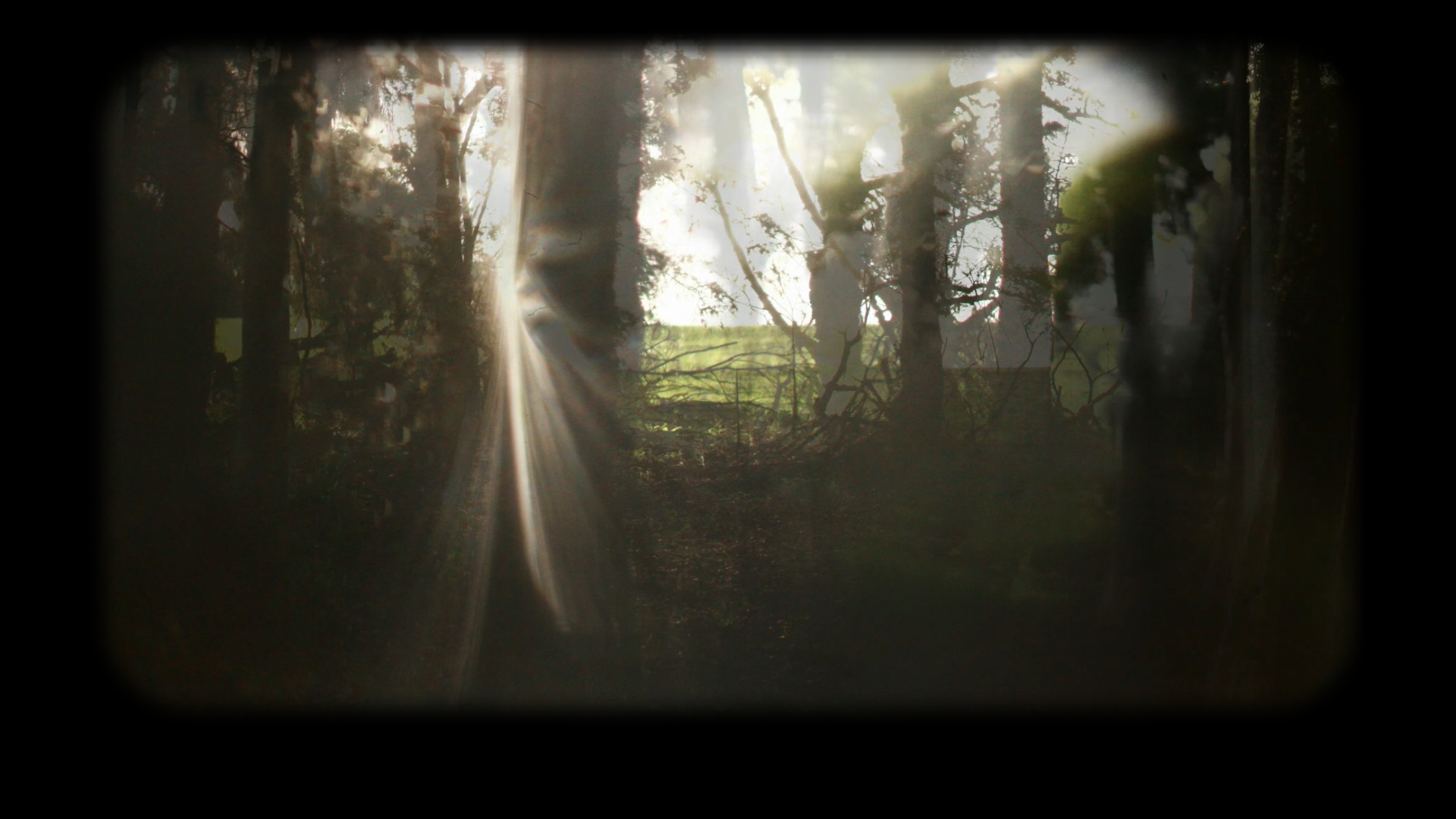
Willo Drummond
The Commons, an elegy for multiple voices (2026)
A haunting elegy poised between what was once shared and is now lost. Multiple voices rise in litany, its prayer for restoration pulsing with the organic patterns that remind us: we are entangled still.
Paying homage to the river Darling, and extending into the global conversation of climate action, the polyvocal call-and-response remains the only human presence available to us, with the uncanny ephemera of imagery and soundscape gesturing to a more ancient presence within the spirit of the river.
Artist statement
‘The Commons’— meaning ‘what we share’— is a phrase with a long history. The concept of The Commons, or ‘commoning’, extends beyond shared stewardship of the non-human world to language, technology, knowledge systems, art and more, though the natural environment is perhaps where the impact of the ideological shift from ‘we’ (shared stewardship and reciprocity) to ‘me’ (enclosure, privatisation, market-based corporatisation, the hoarding of wealth by the few) is most pressing due to the finite nature of these elements. Once the ‘house’ is burned down, or too many are locked out, where will we do our shared work of becoming?
The elegy has historically been a formal container for the expression of cultural loss and shared grief. In this sense it is a social form, and the polyvocal approach in this work aims to lean into that aspect of the form’s potential for embodying multiplicity and a collectivist, pre-capitalist mode of being. This ‘elegy for multiple voices’ is concerned with the act of naming aspects of the natural world we have lost and/or that we are at risk of losing under individualist and extractionist ideology. The voice/s doing the naming are human, but the ‘we’ of the poem need not be. The call-and-response rhythm of the piece returns us again and again to a ‘we’ that is intended to be expansive and inclusive. It names a litany of losses in a pulse indicative of the organic rhythms of breath, of heartbeat, of tidal pull. Patterns that remind us of our human entanglement with the multitudinous more-than-human world. The intention of this work is to remind us of our collective (and collectivist) history, and the potential for alternative ‘ways of being’, ‘seeing’ and ‘apprehending’ (to borrow terminology from Edwin Hutchins) the earth and our place in it.
Litany is an intentional word here too, due to Elegy’s close relationship with prayer. May this poem and the sumptuous film The Salons team has created around it be received as a prayer for our shared world, and that within it which we may still, with focused attention and care, have a chance of saving.
Details
Spoken by Willo Drummond
In-capture surrealist digital photography with material filters of curved glass
Score: experimental electroacoustic improvisation, with influences ranging across hybrid folkloric music, including Eivør’s Trøllabundin
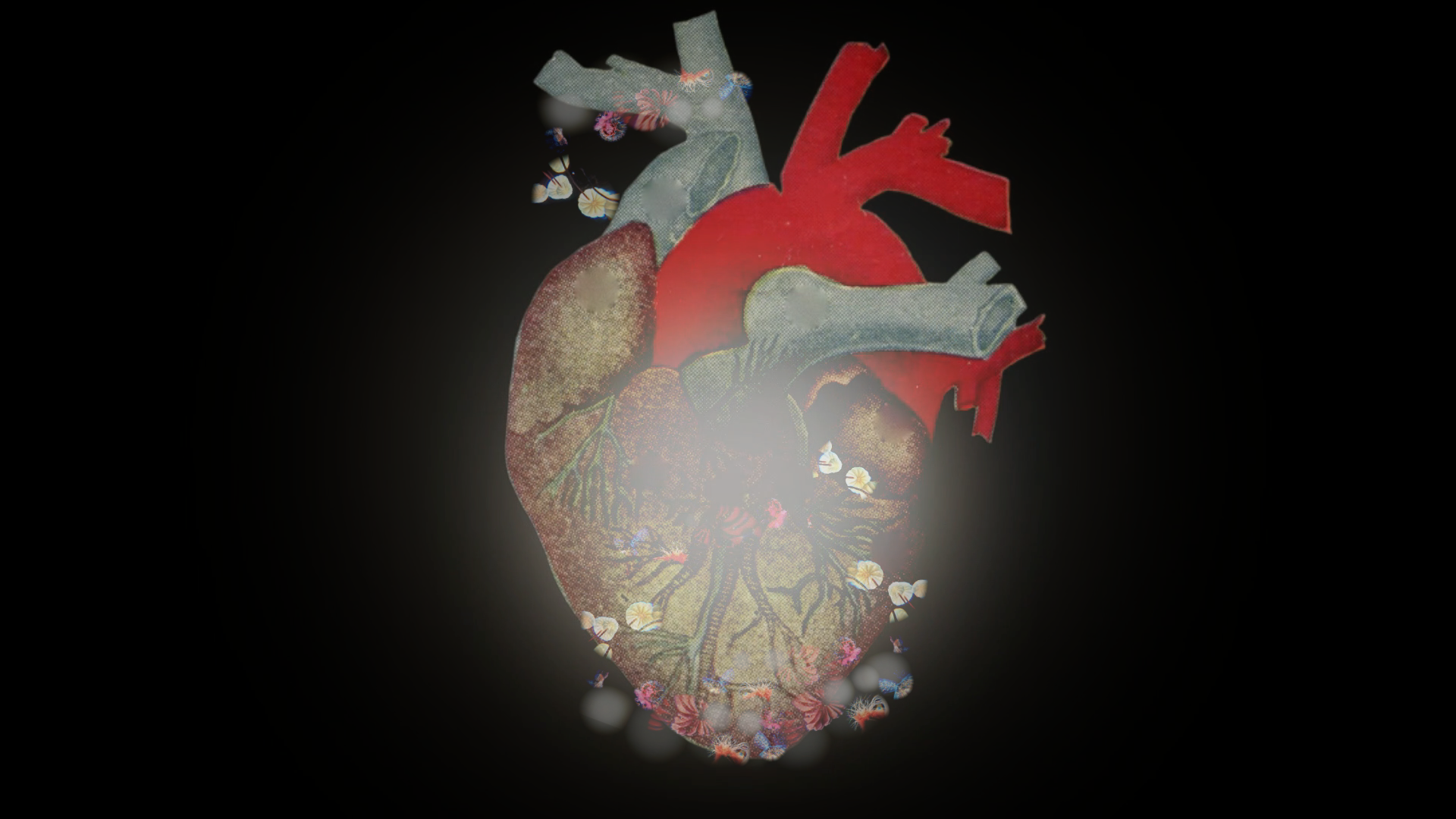
Ethan Price
æther (2026)
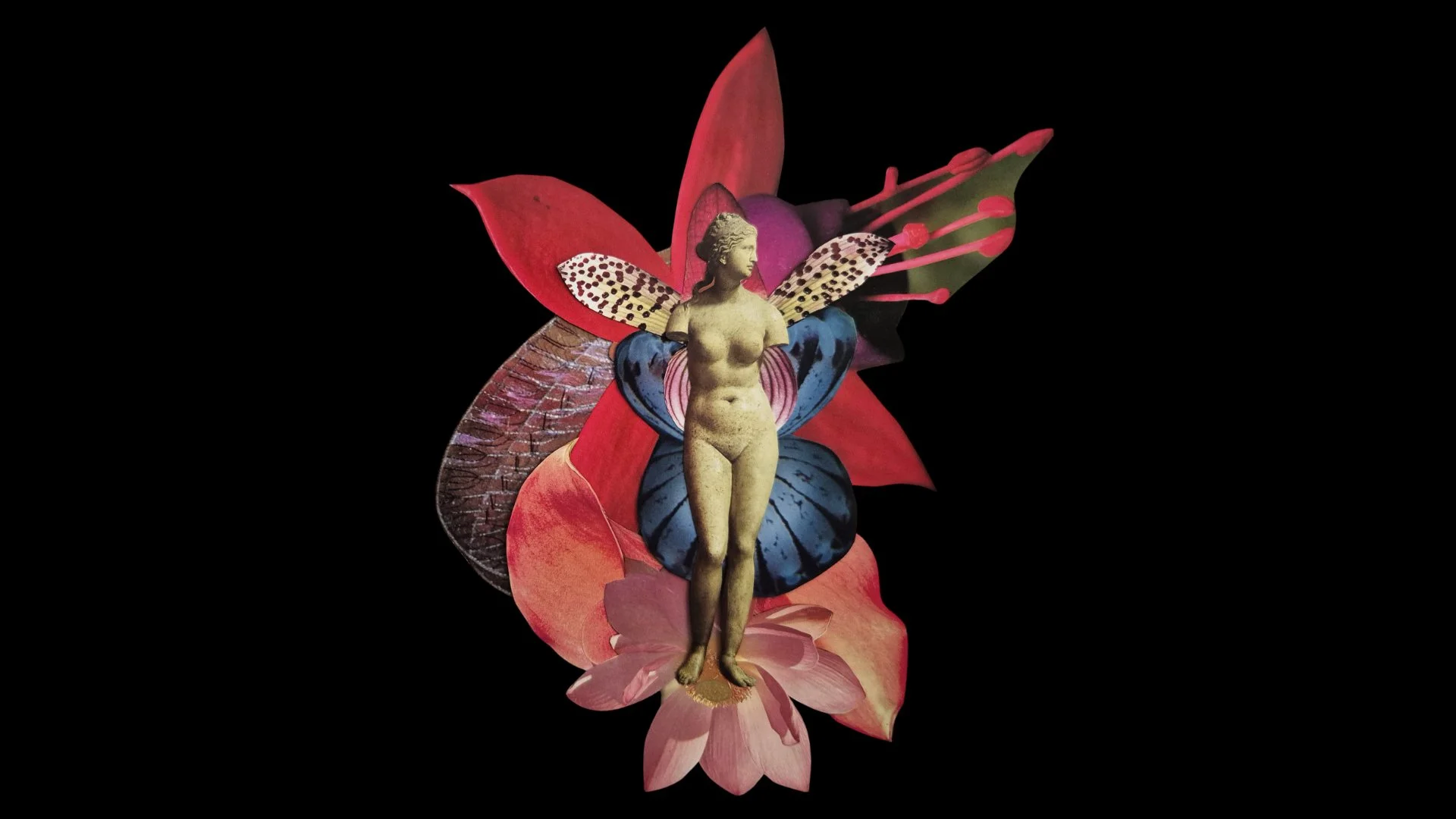
The year is now. The earth has become a wasteland, the realisation of the void envisioned by the ironic hallows of an eco-biblical narrative. The capitalist prophecies of Fritz Lang’s Metropolis have played themselves out and (with the many other memories held by humans) Georges Méliès’ legacy is in grave danger of extinction. Not a trace of any other living form, nor the enchantment of life itself, can be found. Until Ester, wandering alone in the void, discovers a map, hidden in a box, on a mound, near a hole, in the dark…
Burlesque absurdism meets surrealist playfulness in this Orphic, interstellar journey from isolation to wonder. In the style of early silent cinema, æther responds to both world weary cynicism and the tired doctrines of apocalyptic determinism, to restore a sense of enchantment and serendipity to the idea of the future.
Featuring the music of Ethan Price, with special guest collage artist Deby Cann, and introducing Ester McDonald, æther is the realisation of an extended collaboration with The Salons that celebrates the poetic with joyous abandon.
Artist statement
FROM ETHAN PRICE
I want to start by thanking The Salons for asking me to be a part of this year’s Vessels of Love. As a young artist, the opportunity to create and perform in this environment, I don’t take it for granted. As poets, artists, musicians and lovers, we are collectively challenging mainstream ideas of everyday life.
I remember when Angie began talking to me about the idea of ‘love in abundance and decay’—this theme traced us through cafes in Newtown over months, as we dissected our world, society, and Angie and I bonded over songwriting and musical concepts. When coming together as a group with Deby, Angie was just a dream collaborator, acting as a conduit to our separate processes for the magic of this film; æther.
To delve into this form of creation with Angie, Deby, Cam and Liz was simply a pleasure from start to finish. I think hope prevails in this piece, and it certainly prevails within the creative spirit.
Artist statement
FROM DEBY CANN
What better way to move through these darkest of times globally than to share the conversation with beautiful friends where our personal and artistic hopes and dreams entwine to become a surreal short film.
Exploring the themes of abundance and decay through the lens of love and surrounded by love I was able to develop my creative expression through collage animation, a fabulous medium (completely new to my artistic process) which has strengthened my passion for conceptualisation and creation of new visual narratives to inspire change.
Details
Metropolis, Grey skies/Dark nights and instrumental music composed, performed and recorded by Ethan Price (2025 and 2026)
Hand-cut collage by Deby Cann, animation and miniature shadow theatre devised and created by The Salons, with set design for Bosch’s cave of earthly delights by Deby Cann, Ethan Price and Angie Contini
Performed by Ester McDonald
Special appearances by Liz Grose, Deby Cann and Choking Hazard
Story devised by Deby Cann, Ethan Price and Angie Contini
Costume design by Camryn Yule
Hair and makeup by Liz Grose
Michele Seminara
A typewriter guilty with love (2026)
An epic work charting a doomed affair, this work juxtaposes the prosaic and the poetic, elevating love to myth while miring it in human messiness. Here, the abundance of passion contains its own decay—this story, simultaneously grand and gritty, is intoxicated with language yet haunted by reality’s inevitable intrusion.
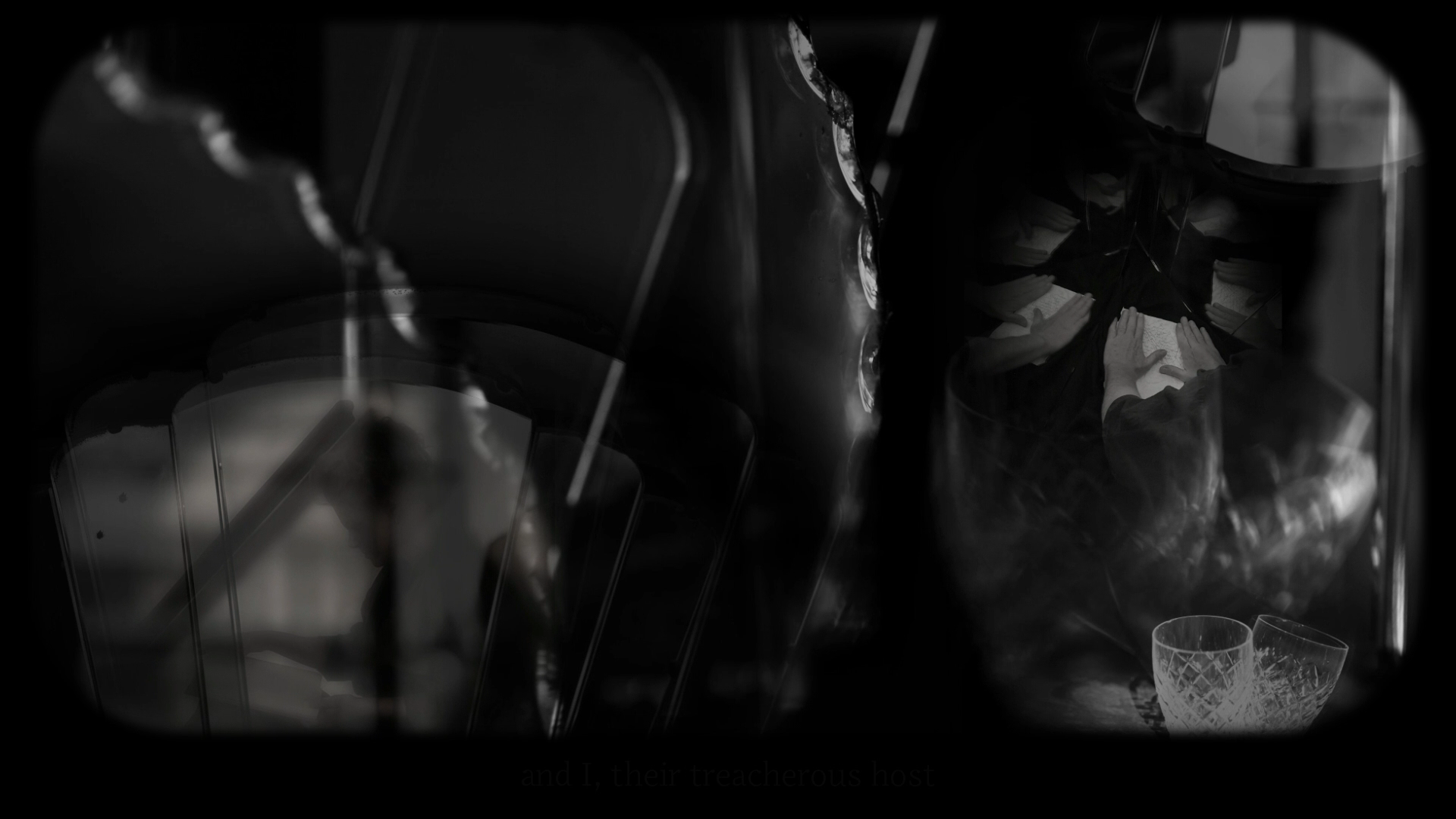
Steeped in the surrealist symbolism of a mirrored set, the elements of spoken word, music and imagery surge together to move beyond potentially reductive representations that encircle the novella’s heady prose. The divide between romantic idealism and domestic banality ebbs and flows amidst the vision of a writer whose enduring love is not a man at all, but literature.
Artist statement
When prompted to write about ‘love in abundance and decay’, my mind immediately leapt to Elizabeth Smart’s poetic novella, By Grand Central Station I Sat Down and Wept. This autobiographical tale of Smart’s ill-fated affair with English poet George Barker is operatic in both its grandeur and demise. I’ve read the book so many times over the years that my copy is literally falling apart.
A typewriter guilty with love charts the course of Smart and Barker’s relationship by responding to each of the novella’s ten chapters with a ‘found’ poem sourced from the text. The book (and these poems) juxtapose the prosaic with the poetic, elevating the couple’s love to the status of myth while simultaneously miring it in the grittiness of human reality. The decay inherent in the baroque abundance of Smart’s love story is the source of its enduring appeal and tragic beauty.
Details
Spoken by Michele Seminara
Macro and portrait digital photography, digital video
Score: a reworking of The Wanderings of Chronos, an electroacoustic cycle, originally composed in 2013, and scored for digital metronome, piano, flute, cello and percussion
Content warning: contains coarse language and adult themes
Martin Edmond
A day on Hiva Oa (2026)
A meditative autobiography, tracing the joy of a life spent together.
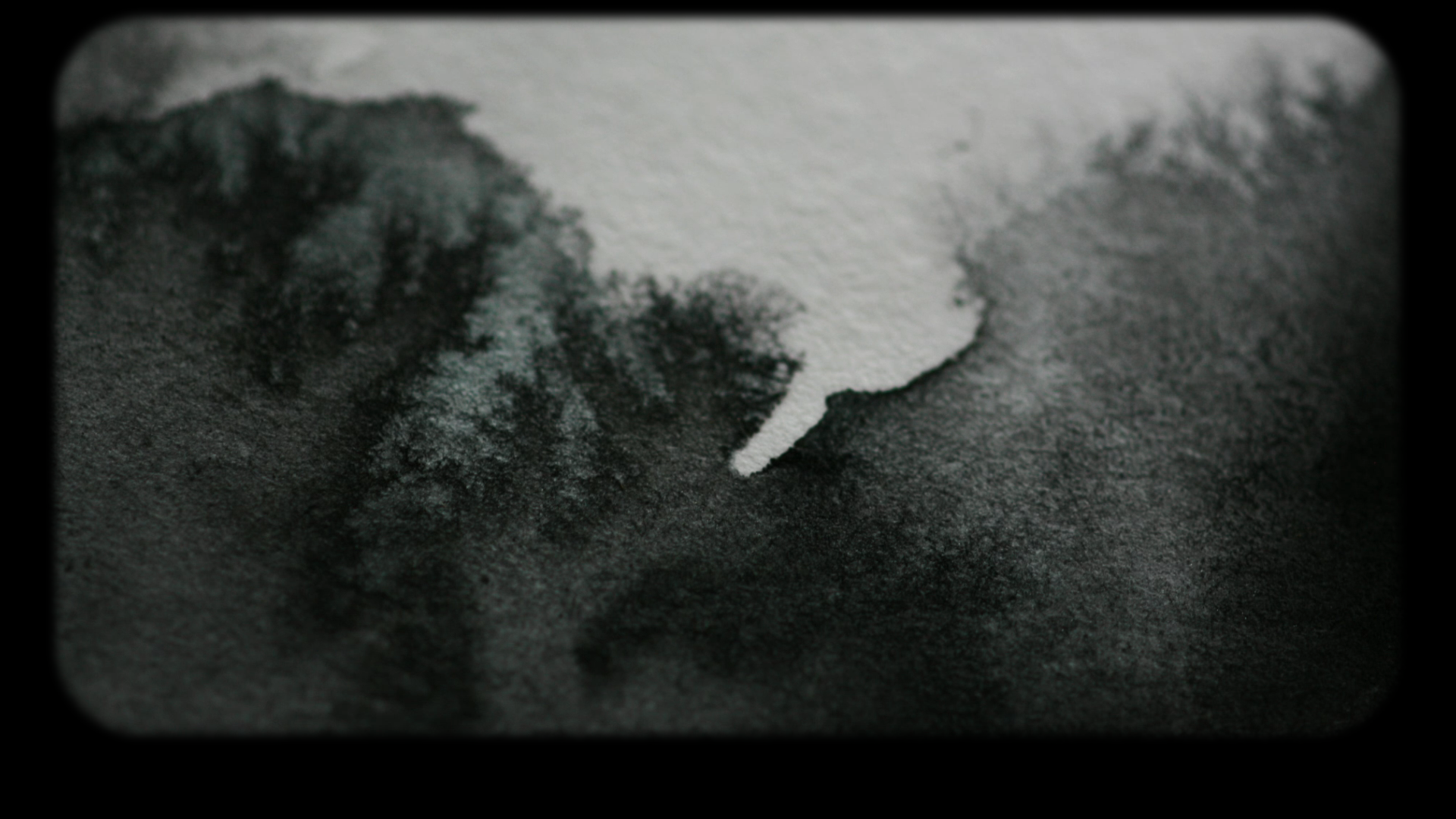
This quiet testament of a love enduring, reciprocal, unfolding over time, lingers between the symbolism and inevitability of falling together. Set narratively against the timeless mystery of the French Polynesian islands, dissolving watercolours journey us into a more universal sense of love as shared journey, with a profound presence to the poignant beauty of time.
Artist statement
In June 2025 Mayu and I went to the Marquesas for our health. We were both post-op and looking to spend time somewhere that wasn’t a ward or a hospital waiting room. It was healing to be cast beyond the limits of our known world, to be welcomed by those who lived there, and to be shown some of the secrets of their islands. Such secrets are never fully disclosed; they remain mysterious even to those who hold them; as they should be. In writing this piece I was trying to evoke that secrecy, along with the joy of being in a place that gives you what you need, and also the joy of giving back what you can to the place that gives to you: love in abundance and decay.
Details
Spoken by Martin Edmond
Wet-on-wet watercolour and macro photography
Score: waltz, inspired by Shigeru Umebayashi’s Yumeji’s Theme from In the Mood for Love (Wong Kar-wai, 2001)
Faye Couros
Why blackbirds sing (2026)
A gothic folktale where greed meets its reckoning.
In the lineage of the archetypal cautionary tale, this lush reimagining of desire and consequence challenges the forgetfulness of hubris—we are not nature’s masters, but part of her indomitable, unforgiving whole. Steeped in a love of folkloric phrase and nocturnal imagery, this modern work wagers the toll between what we believe is ours to keep and cage, and what is to be left wild and free.
Artist statement
My poem, Why blackbirds sing, responds to ‘love in abundance and decay’ through the traditional fairy tale, as I was compelled to explore the human capacity to seek and thwart love through the whimsy and danger of folklore.
Nature is an enduring theme in my work, with this piece centring on the human hubris to claim the natural world’s beauty as our own to enjoy and exploit as the poem’s central issue. Folklore has long been used as a tool to teach and encourage culture, while also bridging the gap between the human world and the animal world to convey telling lessons. This purpose became a springboard for me to express my perspective that conveys degrading nature for self-gain as an immoral act.
The structure follows fairy tale conventions like simplistic plot with hidden meaning, fantasy blurring into reality and the classic perspective shift at the end, with a contemporary gothic tone and free verse technique to build upon the history of this well-loved genre. The works of Hans Christian Andersen, alongside tales of celtic folklore and ancient myths, were essential reading materials that helped me form the bones of this piece, while continuing to keep true to my style.
This tale of a greedy mortal man and the indomitable siren, considers that we have forgotten we too are nature, and that our love for it has been reduced by manipulating it for our own gain and use—forgetting it’s also an intrinsic extension of our humanity.
Details
Spoken word by Faye Couros
Digital photography and video captured in York, UK, and Sydney, Australia
Pooja Mittal Biswas
Murder / suicide (2026)
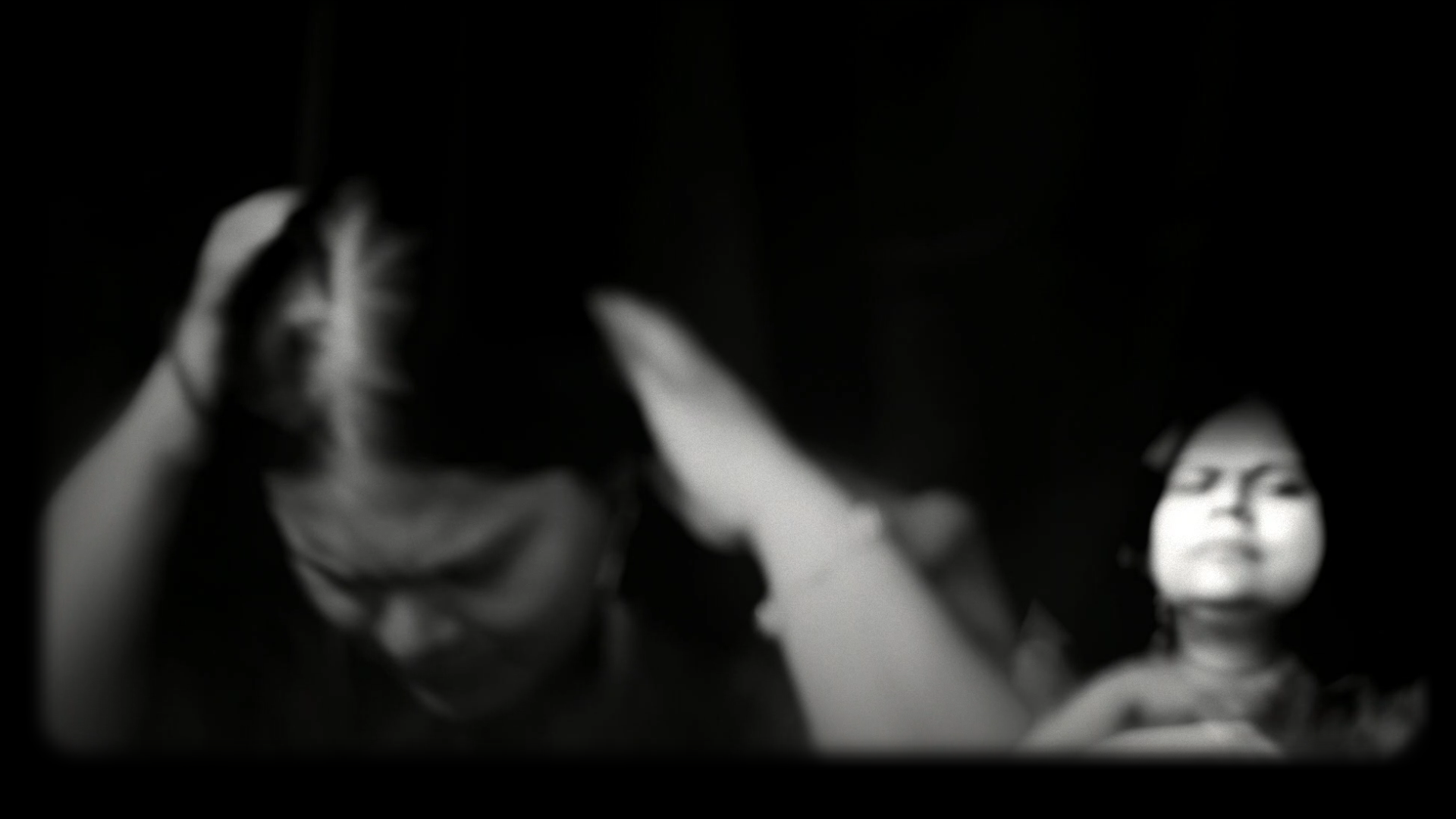
An unflinching staging of the uncanny mind.
Merging gothic horror with the grotesque lushness of excess, this unflinching work refuses the polarity between tenderness and violence, sanity and madness. Set to the pulse of tango, we are invited into the territory of the uncanny mind, and the triumphant reckoning of self-learning: beyond the tidy, reductive binaries of good and evil, the I/we of ourselves becomes more than the sum of our duelling forces.
Artist statement
Merging the Brontëan gothic, Caliban-esque desire, and the consumed/ consuming horror trope in The Substance, love in this poem is not a gentle surplus but a feral plenty, blooming teeth-first out of sites of harm, madness and hauntings. Tenderness and violence are folded into the same gesture: the kiss that tastes of cyanide, the beloved imagined as both dove and parasite. The poem stages abundance as a kind of excess that overruns the body—electrical, florid, grotesquely lush—while decay appears not as an ending but as an alchemical state in which organs liquefy, bones become instruments, and even verminous self-loathing is repurposed as a strange, desperate form of care.
Details
Spoken by Pooja Mittal Biswas
In-capture macro photography with material filters of curved glass, transformed into moving portraiture film
Score: tango, inspired by Por Una Cabeza by Carlos Gardel
Content warning: contains references to electroshock therapy, murder and suicide. This poetry film is a work of fiction. Any resemblance to real persons, living or deceased, is purely coincidental.
Minnie Agnes Filson
Challenge
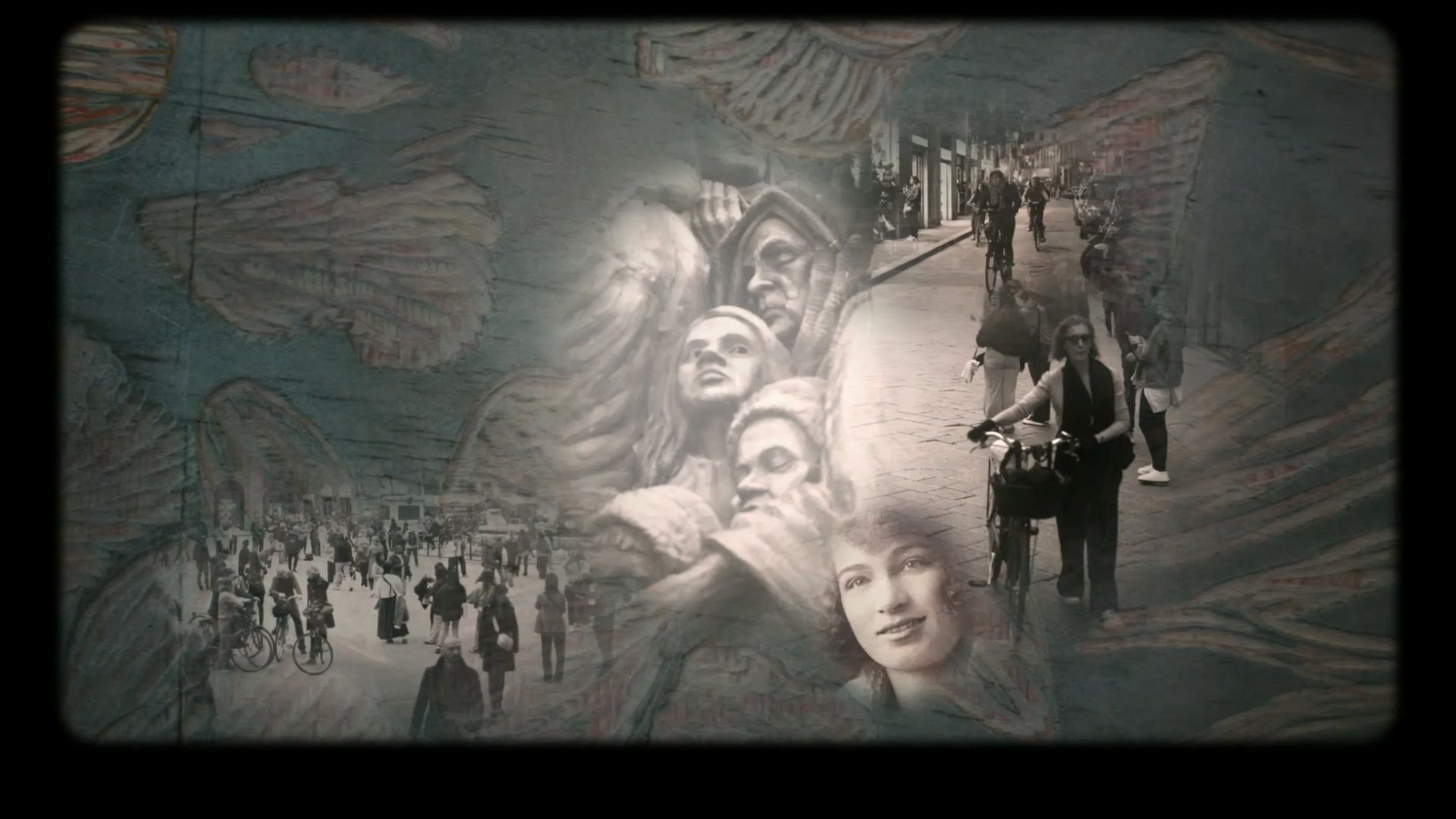
From the poem of the same name, featured in Rhymes and Whimsies, an anthology originally self-published in 1937 by Minnie Agnes Filson (Rickety Kate). This work explores the idealised and embodied tensions between mortality and transcendence through the stunning simplicity of one question—can I grow old?
The film’s gesture to visualise a sense of the wonder and vibrance of Minnie Filson’s energetic mind—her dreams, imaginings, desires, reflections—is equally a response to the ways in which this very special poem articulates such enduring existential questions—what remains when the body decays? What rises, untethered, towards the eternal?
The Salons gratefully acknowledges Lenore Bassan, whose passionate and continuing guardianship of Minnie’s estate, and generosity to share the wealth of her family’s portrait archives, documents, publications, and abundant anecdotes and memories, has enabled the building of this very special short film.
Artist statement
FROM LENORE BASSAN
I live in the Inner West of Sydney and work as an artist/printmaker, maker of artist books and printmaking teacher.
My grandmother was Australian poet Minnie Agnes Filson, aka ‘Rickety Kate’. When I am preparing ideas for printmaking, I take long walks with her poetry, focusing on the meaning and symbolism of her words and ideas. She called it ‘thinking the long thoughts’. Her poem Challenge invites us to think about the inevitable changes over time to the physical body, versus the spirit that soars beyond with ‘unnamed fires and dear desires’. Completely immobilised for over 40 years, she astral travelled ‘beyond the fleshly bond’. I think of her with awe for the life she lived as a poet, and with gratitude for the abundance of material she left me to work with. My artist book Cornerstone, featuring imagery associated with her house in Cremorne, is included in the Paper Universe Exhibition at the State Library (August 2025-May 2026).
Details
Spoken by Lenore Bassan
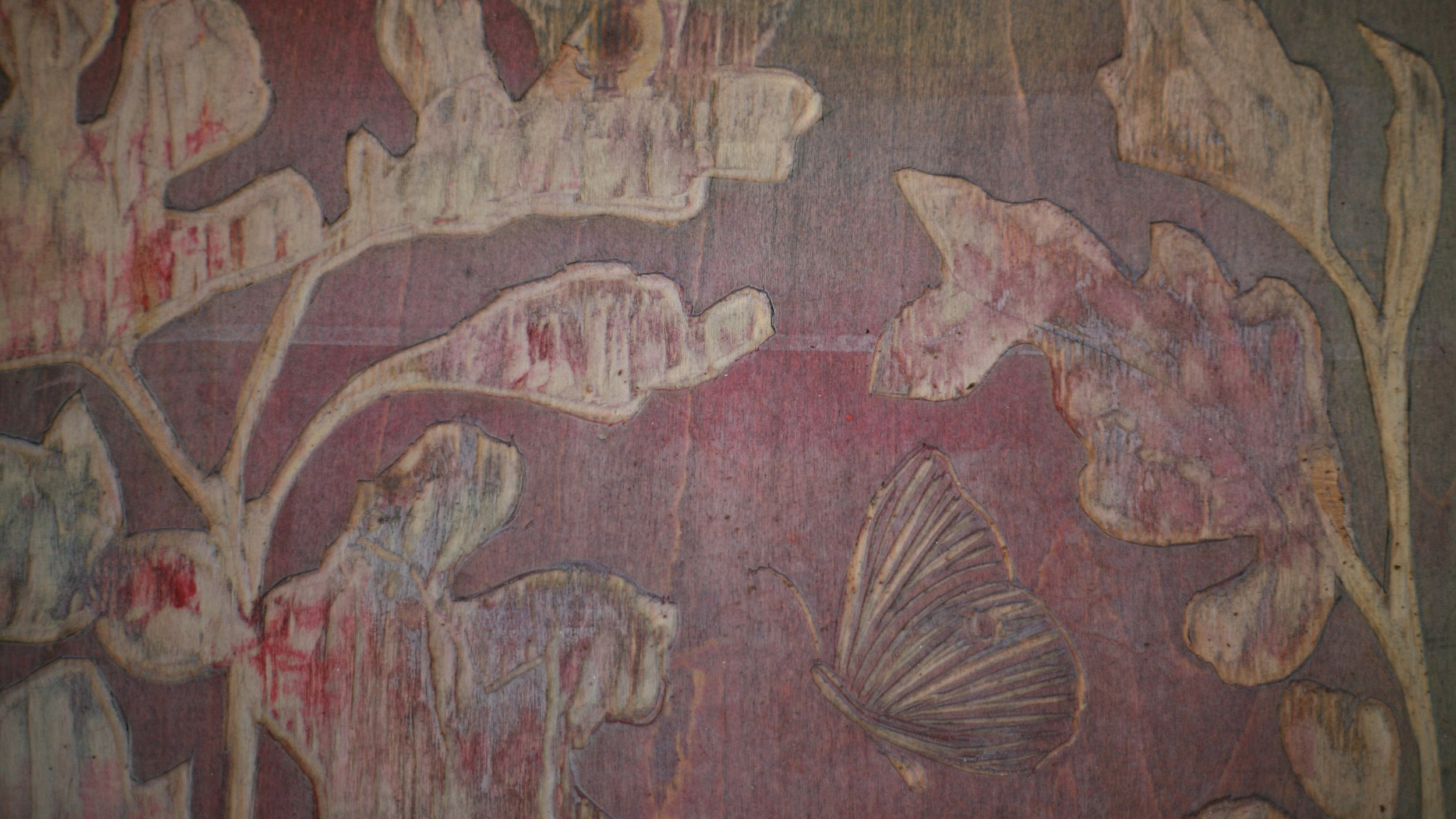
Re-photographed prints, collagraph plates and woodblocks by Lenore Bassan, historic portraits generously provided by the family. Digital street photography in Rome and Florence, Italy
Score: minimalist guitar cycle, inspired by the soundtrack for Dead Man (Jim Jarmusch, 1995), composed and performed by Neil Young